
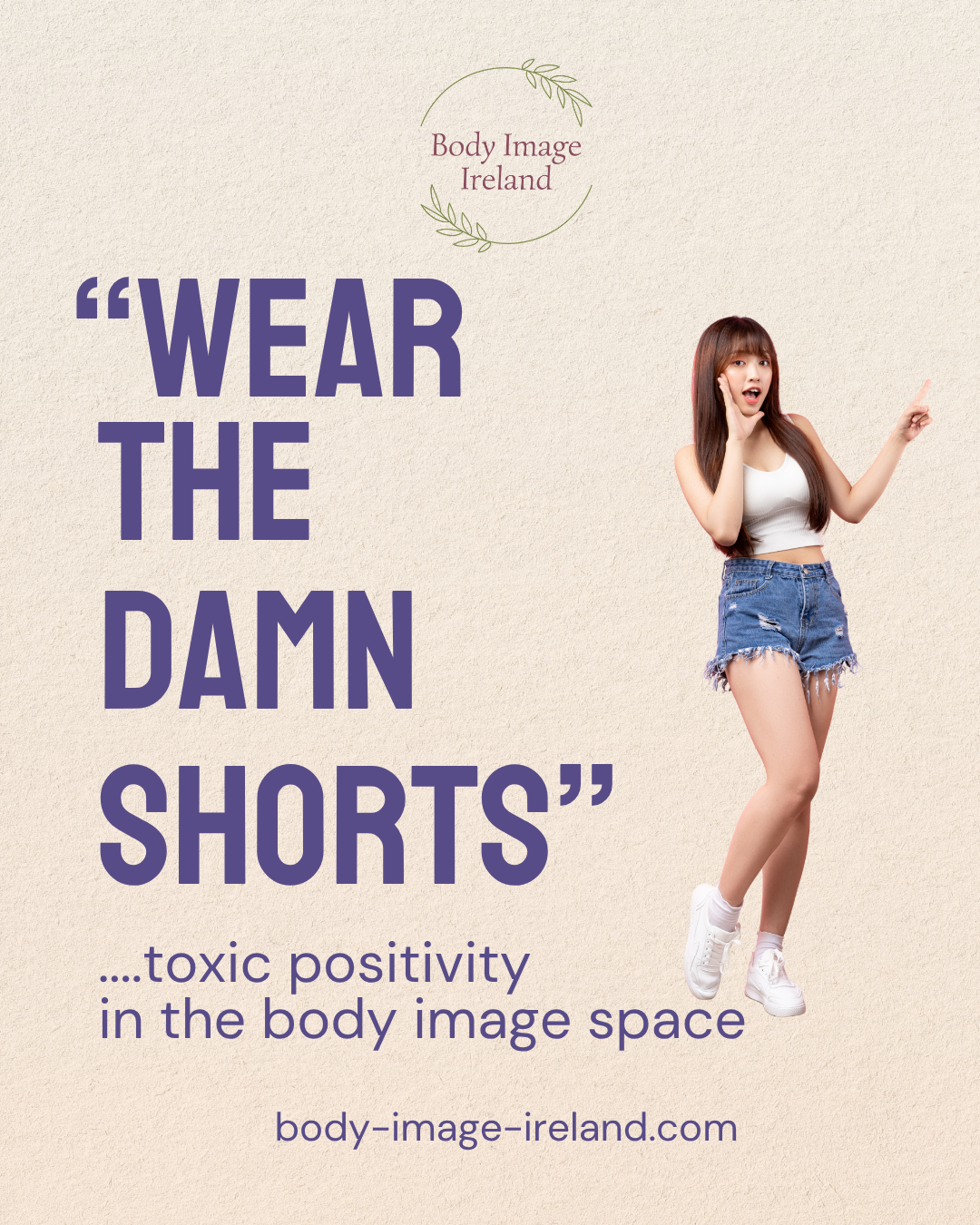
Phrases like “wear the damn shorts” are meant to be encouraging, but they don’t tell the full story.
While a positive outlook is undoubtedly beneficial, it’s harmful to downplay negative emotions, unfair or hurtful situations.
“People saw my belly at the gym, and nothing happened – I’m done overthinking. Just take up space” is how the Instagram post went.
On the surface, this sounds empowering. The message is: be confident, take up space. And for some people, that does feel liberating. And it may give representation to small, mid-sized and some plus-sized bodies.
But for many others, especially people in bigger bodies or people who’ve experienced weight stigma and marginalisation, this message lands very differently. It can feel dismissive, invalidating, and even unsafe. Let’s dive into how privilege, wealth, and status shape whose bodies are really welcomed when they “take up space“.
“Nobody’s Looking” Is Not Everyone’s Reality
If you’ve never had your body commented on in a gym, “nobody’s looking” might feel true enough. You’ve trained without anyone laughing, staring, or commenting on your body, your clothes, or how you move, so you post your story: “I showed my belly and nothing happened. See? It was all in my head. If I can do it, so can you.”
But for many people, “nobody’s looking” hasn’t been true.
- They have been stared at, teased or bullied.
- They have had trainers make assumptions about larger bodies.
- They have been weighed and shamed in fitness settings.
- They have grown up in families where body size was constantly policed.
- They have witnessed other people critiquing friends’ or strangers’ bodies and grown up in diet culture and internalised harmful beliefs about their body.
- They have seen their bodies as the ‘before’ photos in gym transformation marketing and worried about whether the equipment will accommodate their body weight and shape.
Over time, these experiences have shaped their perceptions and taught them to be on high alert—scanning the room, checking whether clothes and their appearance, monitoring other people’s reactions—is not an overreaction; it’s self‑preservation based on real past harm.

Instead of “you can feel confident if you try hard enough“, try “is this environment actually safe for you? Whose bodies does this space centre and protect?“
Who benefits from “wear the damn shorts” messaging?
“Wear the damn shorts” sounds like a simple choice. But it ignores trauma histories, medical fatphobia, discrimination at work or in school, inaccessible equipment, diverse clothing sizes, and the real risk of negative comments. This content tends to be rewarded when it comes from certain bodies in certain contexts.
Often white and able‑bodied, and if they are in a bigger body, they’re more likely to be framed within a weight‑loss journey that gains social capital along the way. Often training in spaces that quietly signal status—boutique gyms, branded outfits, and curated “wellness” routines. Often with access to time, childcare and beauty treatments that many people simply don’t have.
None of this makes their experience invalid, but it does mean they are speaking from a position of privilege and safety. The world, and fitness culture, treat some people wearing shorts very differently. For people in larger big bodies, disabled, racialised, working multiple jobs, less time to schedule workouts, can’t afford a gym membership—it’s understandable that taking up space feels riskier.
So when someone says “wear the damn shorts”, it’s often coming from a place that already treats them as a good fit. That doesn’t translate universally.
If you have any questions contact us.
Read more about Maggie and Laura.

Leave a Reply